
Introduction
If you run a business, tracking sales, inventory, and customers can be overwhelming. That’s where POS (Point of Sale) software comes in.
What is POS Software?
POS software (Point of Sale software) is a system used by businesses to process sales transactions, track inventory, and manage customer data in real time.
It replaces manual record-keeping by automating sales operations through a centralized digital system.
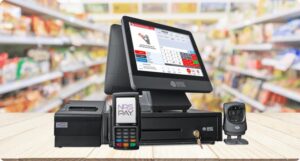
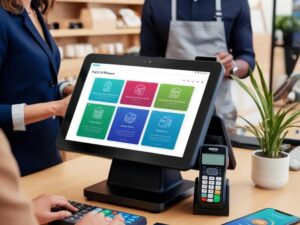
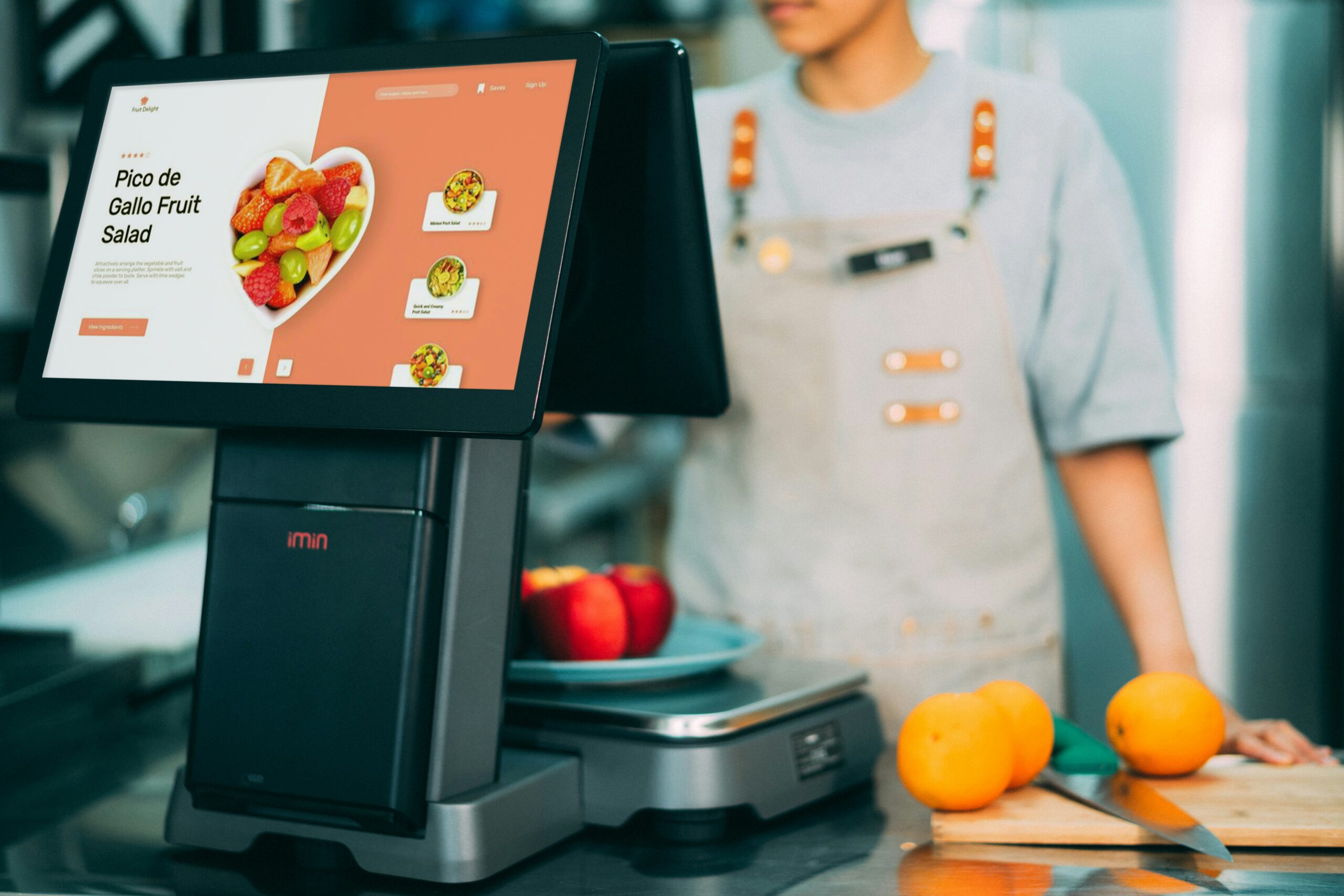
A complete POS system includes:
- Hardware (computer, tablet, barcode scanner, receipt printer)
- Software (application that manages transactions and data)
How POS Software Works
When a customer makes a purchase:
- Product is selected or scanned
- Price is calculated automatically
- Payment is processed
- Receipt is generated
- Inventory updates instantly
All transaction data is stored for reporting and analysis.
Key Features of POS Software
1. Sales Tracking
Records every transaction automatically and stores it securely.
2. Inventory Management
Updates stock levels in real time and reduces stock losses.
3. Receipt Generation
Generates printed or digital receipts instantly.
4. Customer Management
Stores customer purchase history and contact details.
5. Reporting and Analytics
Provides sales reports, profit tracking, and performance insights.
Benefits of POS Software for Businesses
Improved Accuracy
Eliminates manual errors in calculations and record-keeping.
Faster Transactions
Reduces checkout time and improves customer experience.
Real-Time Inventory Control
Prevents stockouts and overstocking.
Data-Driven Decisions
Helps identify best-selling products and sales trends.
Who Should Use POS Software
POS software is suitable for:
- Retail shops
- Supermarkets
- Restaurants
- Pharmacies
- Electronics stores
Any business that handles sales transactions benefits from POS software.
Why POS Software is Important in 2026
Businesses are shifting to digital systems to stay competitive. Customers expect fast service, accurate billing, and multiple payment options.
POS software supports:
- Digital payments
- Automated reporting
- Scalable business operations
Without a POS system, businesses risk inefficiency and lost revenue.
Conclusion
POS software is a core business tool that improves efficiency, accuracy, and decision-making. It simplifies operations and supports business growth.
Businesses that adopt POS systems are better positioned to scale and compete in today’s market.